
Local Expert: Dr. Stasia Khan Offers Advice on Composting
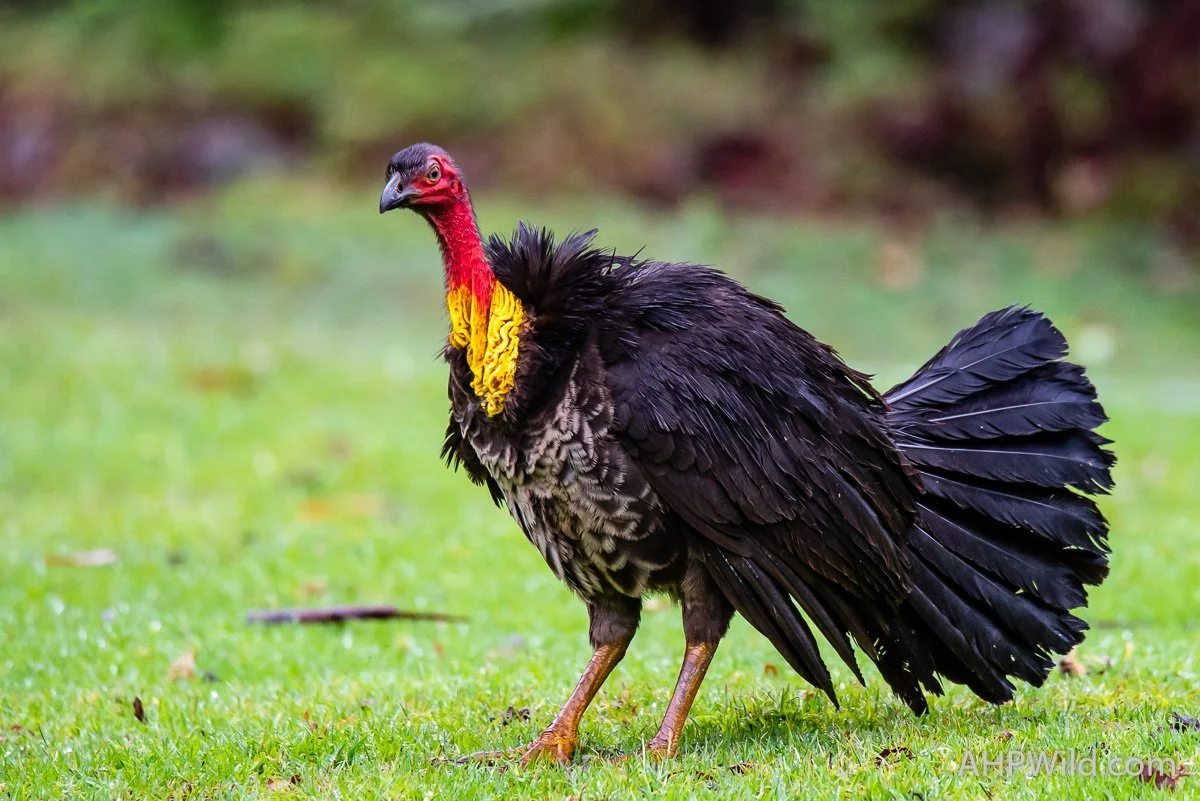
Pictured here is a master composter, the Australian Brush Turkey
Did you know the Australian Brush Turkey builds a compost mound to incubate its eggs? It collects decaying material into a pile, which generates heat–allowing the bird to incubate more eggs than it could sit on.
“I feel that by educating anyone who will listen about composting techniques, I am personally helping to decrease global warming,” said Dr. Stasia Khan.
Khan serves as the vice president and the community compost project organizer for Sustain DuPage, a nonprofit focused on growing sustainability in DuPage County.
So where did her passion for composting come from?
“My mother was a gardener and I grew up knowing that garden waste and food scraps could be composted and used later as soil,” said Khan. “Once I moved into my own home, I continued the tradition of home composting.”
After years of composting at home, Khan began managing the compost program for Sustain DuPage in 2020. She learned about how to balance carbon and nitrogen inputs and the importance of aeration.
“I feel that by educating anyone who will listen about composting techniques, I am personally helping to decrease global warming.”
While some individuals may be skeptical about the global impact of composting, Khan believes that "soil health is the foundation of a successful garden.” She claims that regenerative techniques like composting are essential to planetary health and can be scaled through community, village, and company compost programs.
When asked about a common misconception, Khan explained how many compost piles aren’t inherently smelly. Bad odors result from adding animal products or failing to equalize carbon and nitrogen inputs.
Khan prefers three composting methods:
Composting-in-place: placing small compost piles around your garden. These piles decompose on their own without any additional work.
Aerated composting: moving organic material (e.g., kitchen scraps, coffee grown, and grass clippings) from one bin to another to promote decomposition.
Vermicomposting: using worms to break down material and produce castings rich in beneficial bacteria. These bacteria boost plant vigor and root development, and help prevent disease through antibacterial and antifungal properties.
“I believe that education is the key to mainstreaming composting programs,” said Khan. “There are plenty of books, UTube videos, blog posts, and websites that teach composting methods. I find that in person demonstrations are also highly effective.”
Interested in starting your own compost pile? Check out our Easy Composting Guide here.